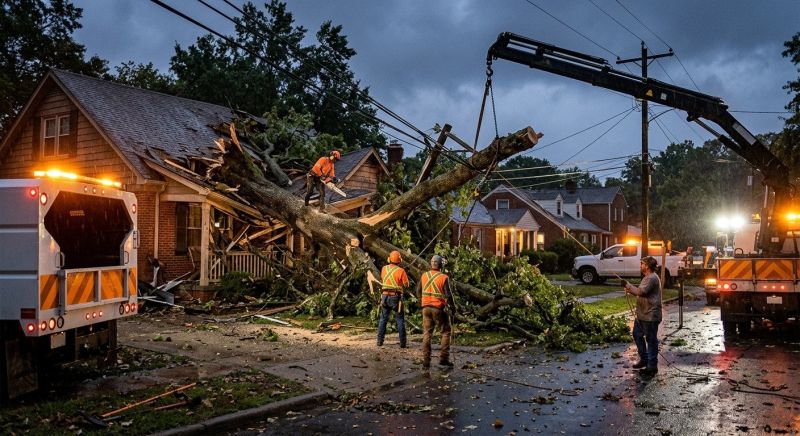
Fallen Tree Removal in Reno, NV
Fallen tree removal services involve the safe and efficient removal of trees that have fallen, are leaning dangerously, or pose a risk to property and safety. This service covers a variety of projects, including clearing storm-damaged trees, removing dead or diseased trees, and managing trees that obstruct driveways, roofs, or utility lines. Property owners should consider factors such as the size and location of the tree, access to the site, and potential hazards when requesting this service to ensure proper planning and safety measures are in place.
Before requesting fallen tree removal, homeowners typically want to understand the scope of work involved, including whether debris will be cleared and how the site will be restored afterward. It’s also helpful to know if equipment will be used near structures or landscaping, and whether any permits or notifications are needed for the work. Clear communication about these details can help ensure the project proceeds smoothly and safely, minimizing disruption to the property.
Many property owners in Reno, NV look into Fallen Tree Removal for repairs, replacements, upgrades, and appearance-related improvements.
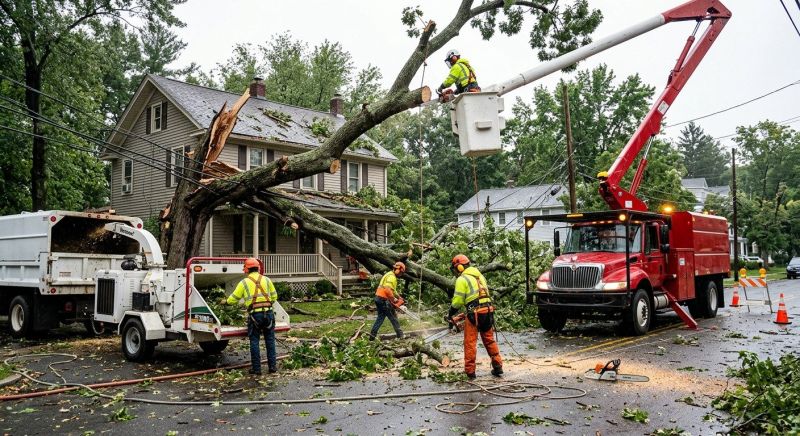
Reasons For Fallen Tree Removal
Trees may need removal due to storm damage, disease, or safety concerns for property owners in reno.
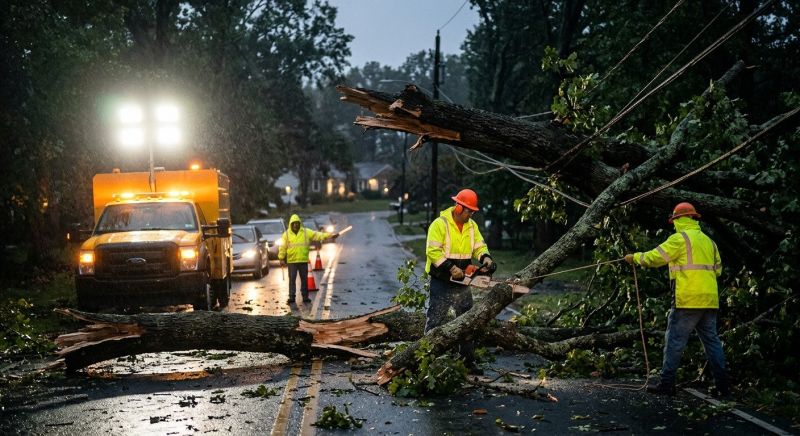
Types Of Trees Often Removed
Commonly removed trees include dead or dying trees, those obstructing structures, or hazardous leaning trees.
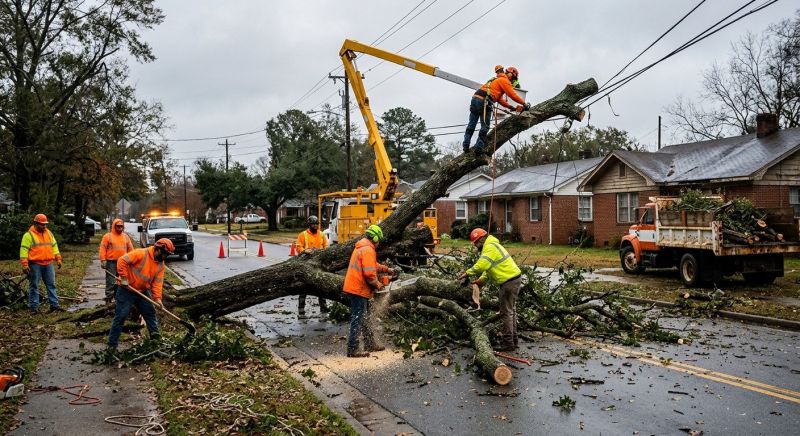
Safety And Cleanup Considerations
Proper removal ensures safety, prevents property damage, and involves thorough cleanup of debris and stump grinding.
Fallen Tree Removal in Reno, NV
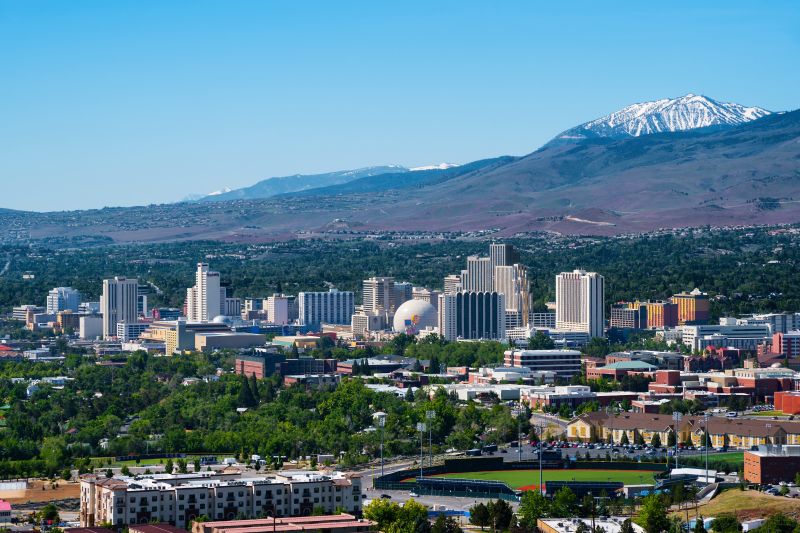
Fallen tree removal services involve the safe and efficient removal of trees that have fallen, are leaning dangerously, or pose a risk to property and safety. This service covers a variety of projects, including clearing storm-damaged trees, removing dead or diseased trees, and managing trees that obstruct driveways, roofs, or utility lines. Property owners should consider factors such as the size and location of the tree, access to the site, and potential hazards when requesting this service to ensure proper planning and safety measures are in place.
Before requesting fallen tree removal, homeowners typically want to understand the scope of work involved, including whether debris will be cleared and how the site will be restored afterward. It’s also helpful to know if equipment will be used near structures or landscaping, and whether any permits or notifications are needed for the work. Clear communication about these details can help ensure the project proceeds smoothly and safely, minimizing disruption to the property.
Many property owners in Reno, NV look into Fallen Tree Removal for repairs, replacements, upgrades, and appearance-related improvements.
Common Fallen Tree Removal Jobs
Emergency tree removal - removing fallen or hazardous trees after storms or accidents.
Selective tree removal - thinning or removing specific trees to improve landscape health.
Stump grinding - grinding down remaining stumps to restore yard usability.
Dead tree removal - safely removing trees that pose a risk of falling or decay.
Property clearing - removing multiple trees and debris for new construction or landscaping.
Hazard tree assessment - evaluating trees for potential hazards and determining removal needs.
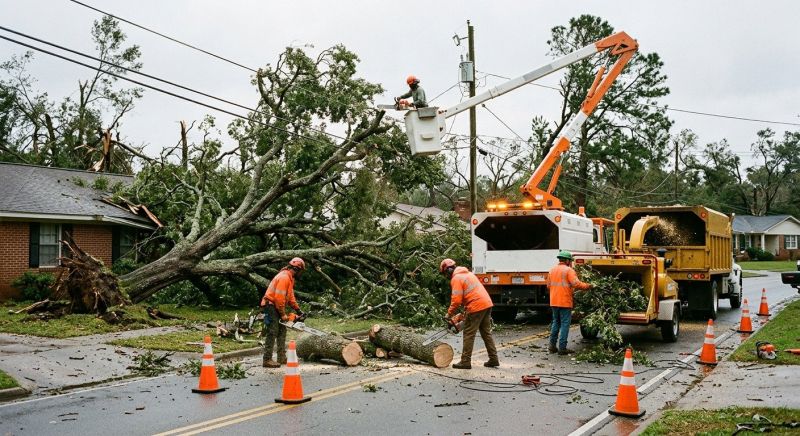
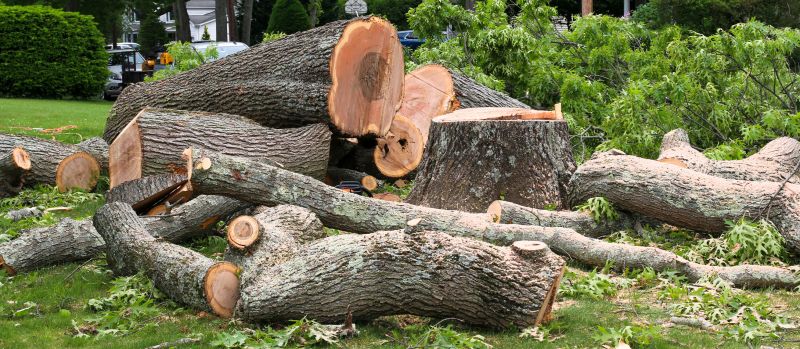
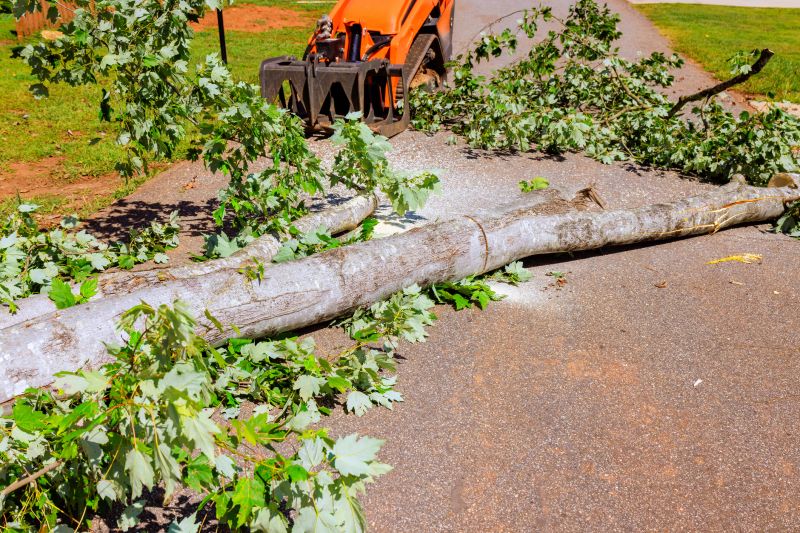
Fallen Tree Removal Questions
When is fallen tree removal necessary? Removal is needed when a tree is damaged, poses a safety risk, or blocks access to property areas.
What types of trees can be removed? Most common types of trees, including large, medium, and small varieties, can be safely removed when necessary.
Is fallen tree removal safe for surrounding property? Yes, proper techniques ensure that nearby structures, plants, and landscapes are protected during removal.
What should property owners do before removal? Clear the area around the tree and ensure no personal items are in the way to facilitate safe and efficient work.
Request Fallen Tree Removal in Reno, NV
Use the quote form on this page to share the basics of your project and request more information for the type of work you need.